

A Sukkot Reflection: The Fragility of Our Lives
As I write this, our Jewish community is celebrating Sukkot. We spend the holiday in a sukkah, a structure that symbolizes the protection and shelter G-d provided as we passed through the Sinai desert.
Of course, the sukkah is a temporary structure with only a partial roof. So, while we’re inside, we’re somewhat protected – but not much. If it rains, we’ll get wet. If it’s hot out, we’ll be hot.
Why would we use such an insecure structure as a symbol of G-d’s protection? The idea is that we’re not supposed to feel very secure. The sukkah reminds us that in the end, we’re still essentially vulnerable to life’s ups and downs.
And sometimes we can forget this. We get comfortable in our routine, in our comforts, in our home, in the support of our family and friends. We relax in the predictability of our day-to-day… right up until something happens to disrupt our lives and strip away that false sense of security.
In fact, people all need that sense of security. We see this across the lifespan. For example, many children of divorce don’t understand what has happened. The uncertainty is scary, as they feel as if the situation is beyond their control. Children often create a narrative that isn’t so scary. They blame themselves for the divorce and believe that if they behave just right, their parents will get back together.
We see the same need for security in the classic stages of grief. The third stage is bargaining: “G-d, if you just let her live, I promise I’ll be a better person.” Or we fixate on what-ifs: “If only I’d said just the right thing, at just the right moment, they’d still be here.” These reflect our need for a sense of control, eliminating what feels uncertain or unpredictable.
When something happens that destroys our sense of security – confronting us with our true vulnerability – that’s a rude awakening. It hurts.
Our time in the sukkah reminds us that we are not that secure after all. We’re vulnerable. We’re fragile. Ideally, by taking this reminder to heart, we prepare ourselves against future hurts.
At the same time, there will always be some tragedies beyond our capacity to absorb. We may be subjected to violence. We may lose someone close or in a difficult way. We may suffer other events we aren’t prepared for. After such a trauma, it can be hard to recover our emotional balance again.
Some of Jewish Family Service’s work is to help people with this healing process. If life throws you too far off balance, we’re here to help.
Written by Matt Smith, LMS (JFS Therapist)
Latest Posts
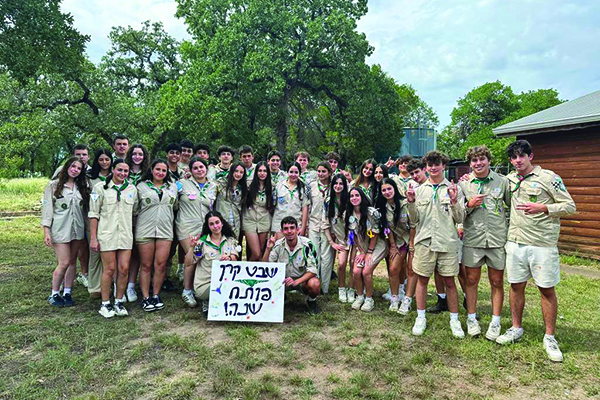
From Israel to Austin: Finding Healing and Home
The older division high school counselors at the year Opening Seminar. Courtesy: Gili Meidan By Deborah Fuchs The past few years have tested the strength of Israelis everywhere. After the isolation of the pandemic, the political turmoil, and the devastating war, many...

Another Successful Event in the Books for WP
Emilie Rosenfeld and Carli Price with author Yardena Schwartz. Credit: Andrew Holmes By Allison Teegardin On November 13, 120 people attended Shalom Austin Women’s Philanthropy Book Lovers Breakfast featuring award winning journalist and best-selling author Yardena...
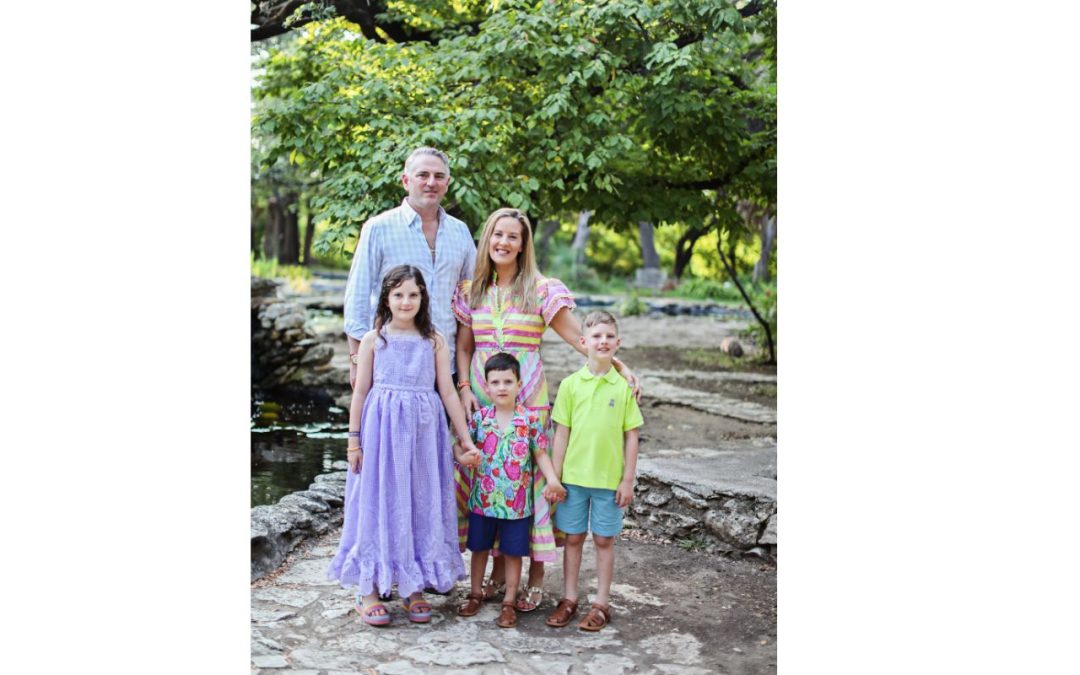
Tzedakah Talk – Bring Giving into Family Celebrations
Meltzer Family. Courtesy Frances Meltzer With every Hanukkah candle comes a chance to gather around the menorah for meaningful conversations about your family’s values. Engaging children and grandchildren in charitable giving can be a powerful way to share these...
7300 HART LANE
AUSTIN, TEXAS 78731
(512) 735-8000

Follow Us:


HEALTH & WELLNESS
Fitness
Swimming
Tennis & Pickleball
Sports
EDUCATION
Jewish Culture & Education
Early Childhood Program Preschool
After School & Childcare
Camps
ARTS & CULTURE
Literary Arts
Visual Arts
Theatre & Film
Dance
COUNSELING & SUPPORT
Jewish Family Service
Counseling & Groups
Case Management
References & Resources
Disability & Inclusion

Copyright Shalom Austin 2025. Privacy Policy.