

Teens Need Support, Mask On or Mask Off
Young people in conversation. Photo credit: Alexis Brown
By Emily Siegler, LPC-A, JFS/Hillel Therapist and Hannah Rakestraw, MSSW Candidate, Clinical Intern, Jewish Family Service
It is in the news, on billboards along the I-35 and in the therapy room; there is a mental health crisis among teens.
The CDC sounded the alarm when data from the 2021 Adolescent Behaviors and Experiences Survey revealed the extent to which teens faced mental health challenges during the COVID-19 pandemic.
It has been reported that one in three high schoolers suffered poor mental health. Additionally, one in four experienced sadness and hopelessness so persistent that they stopped their typical activities, one in five seriously contemplated suicide and one in 10 attempted suicide. Female and LGBTQ+ high schoolers were disportionately affected. Students who experienced racism in school, which is one in three,were also more likely to experience poorer mental health.
The pandemic limited social opportunities at a stage in development when teens need connection the most. By connecting with others, teens explore how they fit into the social world and discover what makes them unique. Even during the pandemic, teens who felt more connected to others experienced better mental health.
Today, teens have more opportunities for social connection in almost two years as schools and public life have returned to near pre-pandemic conditions. While vaccines and milder variants have reduced COVID-related stressors, the transition back to in-person from a virtual and socially distanced world has introduced new fears. Among them, the fear of being seen.
With mask mandates no longer in effect, some teens are nervous about what others will think about how they look without a mask. Popularized on social media, the term “mask-fishing” refers to misrepresenting your appearance by wearing a mask. For teens accustomed to meeting and socializing with peers virtually or with a mask on, going “bare” in public can provoke anxiety. Some may choose to keep their mask on. Some may avoid doing activities in front of others that they need to remove their mask for, like eating or exercising. Some may seek therapy to work through this fear.
Preoccupation with how others perceive them is typical of teens during adolescence. But for Generation Z, this invisible audience is a real part of their experience. They have grown up in the social media age, where filters to photos and videos can edit a blemish or completely transform their appearance. Not only are today’s teens seeing unrealistic beauty standards on models and celebrities, but they are also seeing them on their peers.
While these challenges may stir a sense of uneasiness, our practice has also shed light on an uplifting occurrence. In the work Jewish Family Service does, not only do they support teens struggling with challenges such as suicidal ideation, self-harm, depressive episodes, they also see a lot of exploration and identity development happening in a safe space. Counseling allows teens to broach difficult and necessary topics such as gender exploration, relationship issues and purpose. In addition, their practice has shown that teens are talking about mental health at a higher rate than in previous years, and it’s not uncommon for teens to discuss therapy with friends and classmates. With the clients JFS supports, they see that while mental health can still be stigmatized, there is a hopeful shift in the way today’s teens understand and prioritize their mental health.
To assist with the mental health struggles among teenagers, a variety of mental health resources exist in the Austin community and online. Organizations, such as Out Youth, offer services such as drop in spaces for LGBTQIA+ youth and allies, affordable counseling, and clinical support groups specifically around gender identity and exploration. The Wellness Institute provides online education and services to help youth and families overcome mental health challenges in adolescence and early adulthood, and build safety, resilience, hope, and meaning. Finally, JFS offers counseling to teens and their families with sliding scale fee options, support groups, community resources, and training.
To learn more about mental health referrals or resources, contact Jewish Family Service at [email protected].
Latest Posts

Brian Leiken Formally Installed as Senior Rabbi at Congregation Beth Israel
Rabbi Brian Leiken formally installed as Senior Rabbi at Congregation Beth Israel. Courtesy: Oliver Bernstein By Oliver Bernstein Congregation Beth Israel shook with excitement November 14-15 as hundreds of community members poured in for the installation weekend of...
Students Find Their Voice Through AJA’s Portfolio Day Tradition
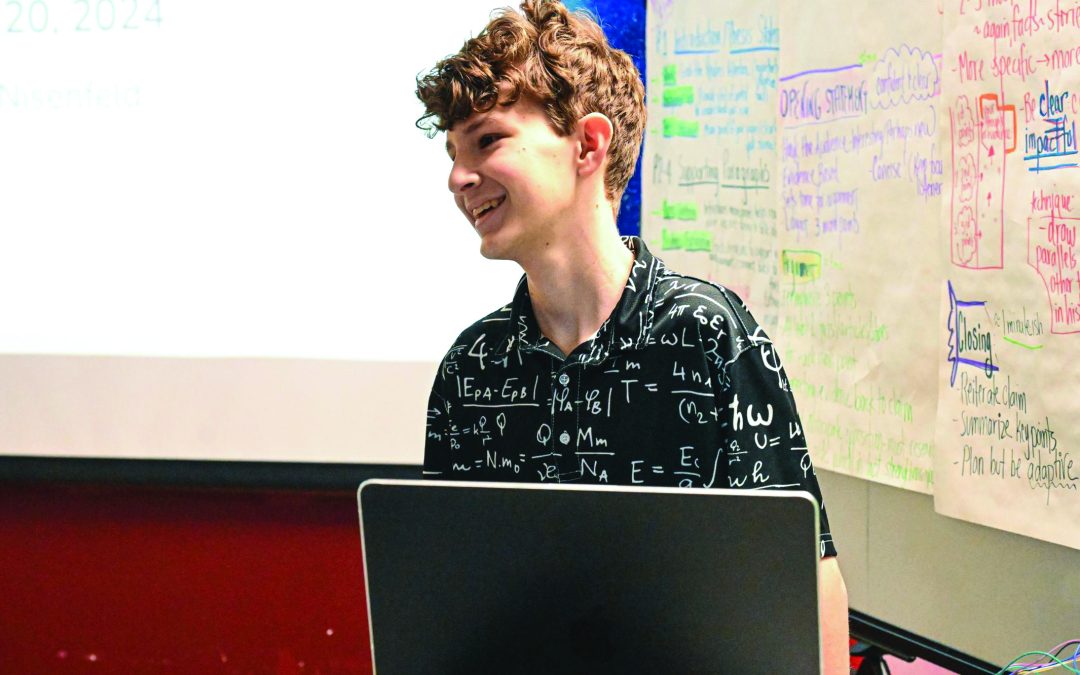
Former AJA eighth-grader Sidney Nisenfeld giving a presentation on Code Talkers on Portfolio Day 2024. Courtesy: AJA By Abby Rapoport Each year, students at Austin Jewish Academy step into a role many adults find daunting: publicly presenting their academic work to an...
Shalom Austin JFS Brings Community Chaplaincy to Austin
Rabbi Amy B Cohen. Credit: Andrew Holmes In May, Shalom Austin Jewish Family Service announced Rabbi Amy B. Cohen, who served as Shalom Austin Chief Social Services Officer and JFS Executive Director since 2020, was transitioning to a new position as Community...
7300 HART LANE
AUSTIN, TEXAS 78731
(512) 735-8000

Follow Us:


HEALTH & WELLNESS
Fitness
Swimming
Tennis & Pickleball
Sports
EDUCATION
Jewish Culture & Education
Early Childhood Program Preschool
After School & Childcare
Camps
ARTS & CULTURE
Literary Arts
Visual Arts
Theatre & Film
Dance
COUNSELING & SUPPORT
Jewish Family Service
Counseling & Groups
Case Management
References & Resources
Disability & Inclusion

Copyright Shalom Austin 2025. Privacy Policy.