

Unlocking Your Mindfulness Practice
Step into a world where time slows down, and the noise of daily life fades into the background. Mindfulness and meditation are more than fleeting trends; they unveil timeless practices deeply rooted in ancient wisdom and contemplative traditions from Judaism, Buddhism and various other religious sources. Mindfulness invites people to engage in the feeling of awe. Recently, Austin experienced a total solar eclipse, where people stepped away from routine for a short time to experience a collective moment of mindfulness. While the eclipse was temporary, this practice teaches that these moments can be found in everyday life.
To start, let’s debunk a common misconception: mindfulness and meditation aren’t about banishing all thoughts from our minds. People’s minds were made to think! Instead, mindful practices extend a gentle invitation to pause, breathe, and embrace the present moment with kindness, compassion and appreciation. Mindfulness recognizes the wandering nature of thoughts, encouraging people to tenderly guide their attention back to the here and now. In a world bustling with activity, where the allure of constant stimulation tempts people away from moments of stillness, nurturing mindfulness becomes essential. Research has found that benefits can include reduced anxiety, lower stress, improved pain management, better focus and sleep, and stronger relationships with self and others. It’s clear that when people take time to pause, without judgment, they can find space for healing and a deeper kind of self-care.
One of the most powerful discoveries about mindfulness is that every human is already equipped with tools. People don’t need the perfect lighting or a meditation pillow to use mindfulness in everyday life. In fact, the foundational tool is always right under one’s nose…their breath! Most of the time people don’ stop to marvel at the wonder of breathing because it happens on autopilot. However, unlike other crucial functions of the body, breath offers the ability to take control at any given moment. For beginners, practice can look like one or two minutes of keeping one’s attention on their breath, either at the natural cadence (autopilot) or with intentional and deep breaths. As the mind wanders, practice bringing awareness back to the cadence of the breath. Building on this foundation fosters a closer relationship to the physical self and offers room to be with one’s thoughts and feelings with love and care.
People often get intimidated by the idea of sitting with their feelings and thoughts. Stillness is invaluable, but it’s important to note that present-moment awareness can also happen in an active state. Many athletes describe a feeling of “flow,” which can be likened to mindfulness. Mindfulness can mean slowing down to savor each bite of a meal to develop intuitive eating practices. It might be someone going for a walk with the intention of noticing what is around them (and leaving their device at home).
Meditation and stillness have the potential to rewire our brains, creating new neuropathways that strengthen our ability to be more present and resilient in every moment of our lives. For centuries, Jewish texts and practices have enabled individuals to cultivate awareness and mindfulness through sacred Jewish rituals. On the holiest days of the year, the Yamin Noraim, Jews are expected to practice teshuvah, the act of returning to our holiest selves by offering and accepting forgiveness for the ways we missed the mark in the previous year. This concept is also practiced in meditation, as we return repeatedly, through our breathing, to the people we want to be. Jewish spiritual leaders increasingly infuse their communal leadership with mindfulness practices, as they truly have the power to transform and help us transition from the mundane moments of our lives to the holy moments. The Institute for Jewish Spirituality teaches five core practices of mindfulness including study, meditation, movement, prayer and tikkun middot, character traits. Their offerings are not only for Jewish leaders, but for anyone searching to learn and practice mindfulness within a Jewish setting. They also offer daily meditation sessions online and podcasts: https://www.jewishspirituality.org/get-started/free-resources-from-ijs/
To learn more, Jewish Family Service offers opportunities to practice these skills with guidance. Mood and Mindfulness is a virtual support group which takes place the second Tuesday of each month. Email [email protected] for more information. Rabbi Amy B. Cohen will begin leading a weekly Jewish inspired meditation session every Monday afternoon in the mindfulness studio at the Dell JCC.
Take a breath…now take another…you are practicing mindfulness.
Latest Posts

Texas Hillel’s Perspectives Trip to Israel
The 2025-26 Winter Perspectives Group volunteers with Save a Child’s Heart in Holon. Courtesy: Jordenne Parker & Matan Weitz By Jordenne Parker & Matan Weitz During UT’s winter break, Texas Hillel brought 21 student leaders to Israel and the West Bank as part...
Innovative Program Teaches Children Essential Social Skills
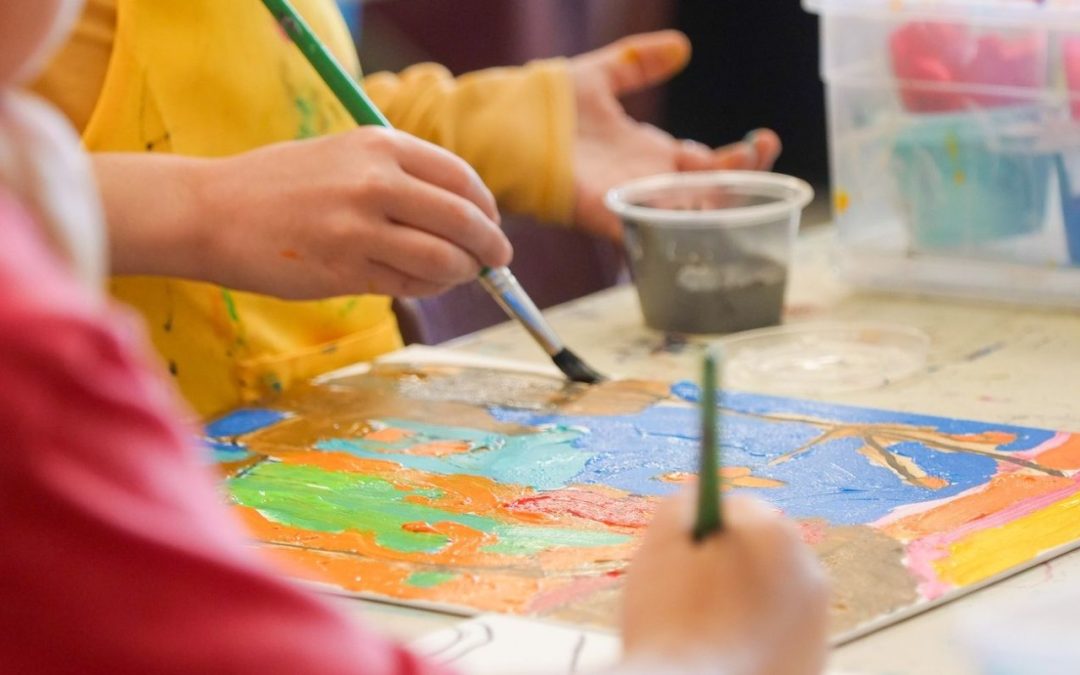
Children enjoy arts and crafts as part of the programming for The Social Players!. Courtesy: Shalom Austin Since the 2020 pandemic lockdowns, parents have worried about the impact that isolation and Zoom classrooms would have on their children. In a recent Gallup...

Shalom Austin Event Ignites Community Through Humor and Compassion
1 Left. Yohay Sponder, entertainer for IGNITE! 2026. Courtesy: Yohay Sponder 2 Top Right. Lawrence Maze, Joseph Krassner Campaign Leadership Award Recipient. Credit: Andrew Holmes 3 Bottom Right. Jennifer Failla, Hymie & Louise Samuelson Leadership Award...
7300 HART LANE
AUSTIN, TEXAS 78731
(512) 735-8000

Follow Us:


HEALTH & WELLNESS
Fitness
Swimming
Tennis & Pickleball
Sports
EDUCATION
Jewish Culture & Education
Early Childhood Program Preschool
After School & Childcare
Camps
ARTS & CULTURE
Literary Arts
Visual Arts
Theatre & Film
Dance
COUNSELING & SUPPORT
Jewish Family Service
Counseling & Groups
Case Management
References & Resources
Disability & Inclusion

Copyright Shalom Austin 2025. Privacy Policy.