
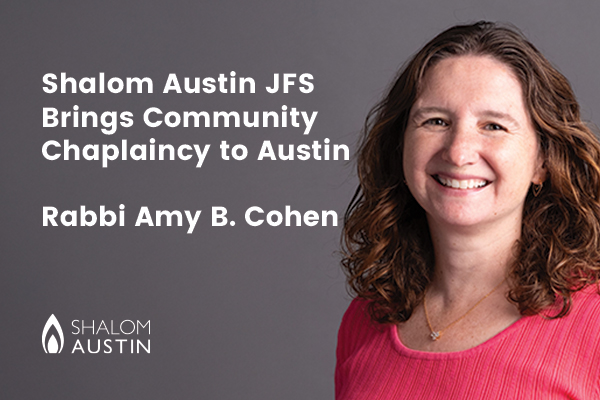
Shalom Austin JFS Brings Community Chaplaincy to Austin
Rabbi Amy B Cohen. Credit: Andrew Holmes
In May, Shalom Austin Jewish Family Service announced Rabbi Amy B. Cohen, who served as Shalom Austin Chief Social Services Officer and JFS Executive Director since 2020, was transitioning to a new position as Community Chaplain at Shalom Austin. In this role, Rabbi Cohen provides spiritual and pastoral support to individuals and families, with a focus on care during times of illness, loss, and life transitions. The Jewish Outlook recently sat down with Rabbi Amy Cohen to learn more about her new role as the first Community Chaplain at Shalom Austin.
Q. Can you tell us about the role of Community Chaplain, and how your role differs from a chaplain in another setting?
A. Yes! I am thrilled to be serving in this new role! You may have met a chaplain in a hospital, or perhaps you’ve heard of a military chaplain, or a correctional chaplain in a prison setting. In each of these settings, chaplains offer pastoral care and a comforting presence to individuals experiencing a spiritual or emotional crisis. Often the individuals and families we serve are experiencing a major life transition, a traumatic event or large questions and concerns as they face the end of life. You don’t need to be experiencing a crisis to see a chaplain, but often individuals look to chaplains to help find meaning during a challenging time. In my role, I have an opportunity to visit people in various settings. I visit isolated older adults at home or in senior living communities, I visit the hospital every Friday to help patients celebrate Shabbat, and I will even meet with community members in the Jennifer & David Kaufman Family LivingRoom of the Dell JCC if they feel comfortable talking there.
Q. It sounds like you are very busy, why would an individual decide to visit with a chaplain rather than a mental health professional or a rabbi?
A. Great question! As licensed mental health professionals, therapists offer evidenced based techniques to help treat mental health conditions like anxiety or depression. Chaplains do not diagnosis or treat conditions, although we may refer a patient to a therapist if we suspect they need that type of support. Chaplains offer spiritual support, and I often draw on Jewish texts and prayers when I am sitting with patients and community members. Board Certified Chaplains, a credential I am working towards, provides chaplains with Clinical Pastoral Education, enabling chaplains to understand the unique needs of patients in health care settings. I am not a replacement for an individual’s personal rabbi, but I can offer additional support when needed. When I visit with patients in the hospital and I find out they are affiliated with a synagogue, I make sure their rabbi knows they need support. Given the statistical reality of the Jewish community’s affiliation rates, what I have found so far is that most of the people I meet are not affiliated with a synagogue, or they were affiliated at some point in their life, but they are not anymore. I feel grateful to be able to remind patients that the Jewish community cares about them, and as a former congregational rabbi, I hope that I can help reconnect individuals to a synagogue or Jewish organization in the future, if they choose to do so! I believe in the power of community, and without Shalom Austin, my role would not exist.
Q. What makes your role unique at Shalom Austin?
A. Being Shalom Austin’s first Community Chaplain, I have been able to work together with my colleagues to design this role. When I
am not visiting clients or patients, I am leading a weekly meditation group, facilitating a Wise Aging or Mussar group, or ensuring that our local senior living communities are being visited by a rabbi or volunteer from the community. When I visit the hospital, I bring Shabbat Boxes, filled with candles, juice, challah and a beautiful box decorated by a community member. This new project is funded by David & Candy Goldstein and the boxes ensure patients know the Jewish community is thinking about them when they are in the hospital. I see everything I do as helping individuals find meaning and purpose in their lives. Much of my learning and teaching is focused on mindfulness and healing as I believe mindfulness practices can help sustain our mental, emotional and spiritual health during challenging times.
Q. How can community members get involved in your work?
A. There are many ways to get involved! Every month I need Shabbat boxes decorated and filled. Community members can reach out to me, and I can give you all of the supplies you need to create a Shabbat box. If you want to volunteer at a local senior living community, you can contact me or JFS to become a friendly visitor, or to connect with a senior living community in your neighborhood for shabbat visits.
Latest Posts
Mem Global Opens New Moishe House in Austin
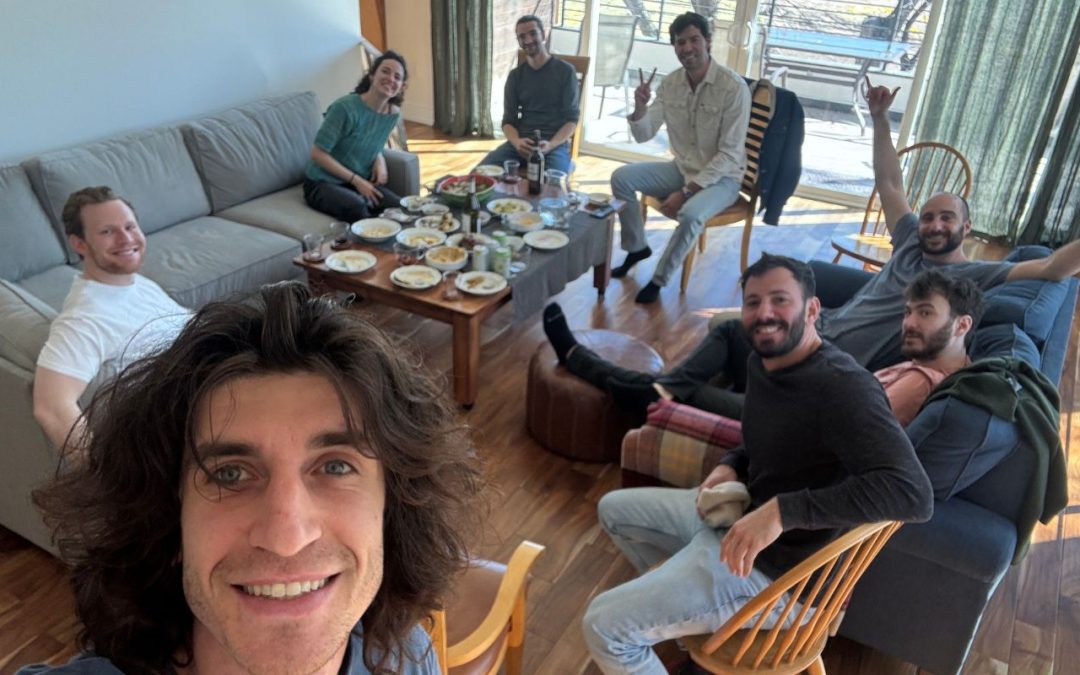
Tu B’shvat Seder at Moishe House Austin. Courtesy: Moishe House Austin Contributed by Mem Global Jewish young adults have a new place to engage in Jewish life and build friendships in Austin with the opening of Moishe House Austin in East Austin. Like other Moishe…

Thousands to Participate in 2nd Annual “Shabbat for Israel” Celebrating Israel’s Independence Day
Challah. Courtesy: Jewish National Fund NEW YORK, February 18, 2025— Thousands of individuals across the United States, Canada, Israel, and around the world will unite at private residences, synagogues, and community centers on April 24, 2026, for “Shabbat for…
Building Bridges Through Holocaust Education: Huston-Tillotson Students Head to Washington
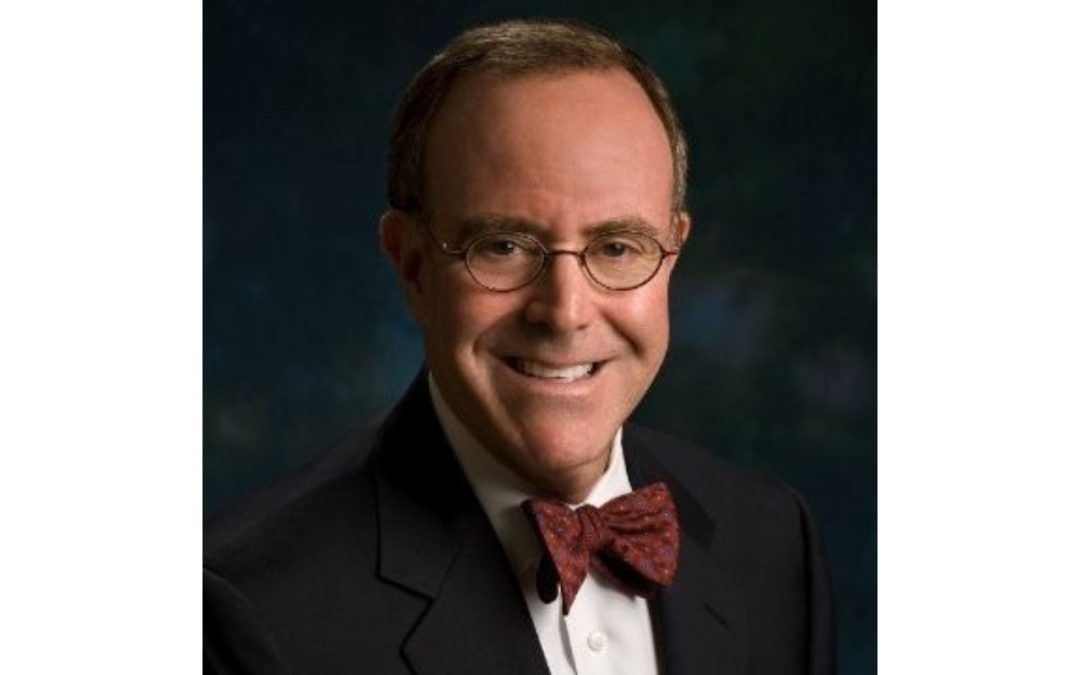
Rabbi Marc Sack. Courtesy: Texas Holocaust, Genocide, and Antisemitism Advisory Commission (THGAAC) By Scott Kammerman Students from Huston-Tillotson University in Austin will travel to the United States Holocaust Memorial Museum in Washington, D.C., this spring…
7300 HART LANE
AUSTIN, TEXAS 78731
(512) 735-8000

Follow Us:


HEALTH & WELLNESS
Fitness
Swimming
Tennis & Pickleball
Sports
EDUCATION
Jewish Culture & Education
Early Childhood Program Preschool
After School & Childcare
Camps
ARTS & CULTURE
Literary Arts
Visual Arts
Theatre & Film
Dance
COUNSELING & SUPPORT
Jewish Family Service
Counseling & Groups
Case Management
References & Resources
Disability & Inclusion

Copyright Shalom Austin 2025. Privacy Policy.